


Which AWD setup feels more planted on I-90 near Hoffman Estates, IL — S-AWC on the 2026 Mitsubishi Eclipse Cross or 4×4 on the 2026 Jeep Compass?
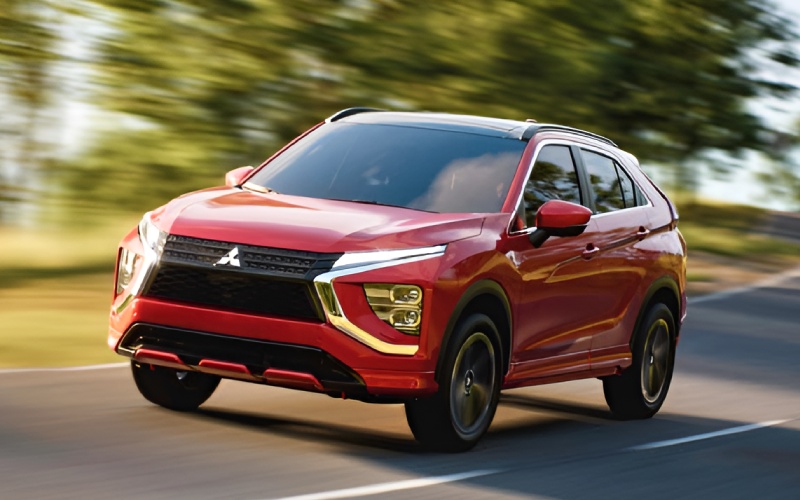
Biggers Mitsubishi – Which AWD setup feels more planted on I-90 near Hoffman Estates, IL — S-AWC on the 2026 Mitsubishi Eclipse Cross or 4×4 on the 2026 Jeep Compass?
If you’re comparing compact SUVs and zeroing in on traction and stability for year-round commuting around Hoffman Estates, a natural question emerges: which system feels more composed on the daily drive — Super-All Wheel Control (S-AWC) on the 2026 Mitsubishi Eclipse Cross or the standard 4×4 setup on the 2026 Jeep Compass? We’ve driven both across the same mix of I-90 stretches, suburban arterials like Higgins and Golf, and neighborhood turns that can get slick after rain or during freeze-thaw cycles. The short version: both systems deliver genuine all-weather confidence, but S-AWC’s subtle, real-time torque and yaw management can make the Eclipse Cross feel more planted and predictable when conditions change underfoot.
Quick takeaway
S-AWC is standard on every Eclipse Cross and coordinates front-to-rear torque with side-to-side braking inputs to help the SUV hold your intended line. Jeep Compass equips standard Active Drive 4×4 and Selec-Terrain modes (Auto, Snow, Sand, Mud; Rock on Trailhawk) that tailor traction for specific surfaces. On maintained roads — especially wet corners, slushy lane changes, or uneven pavement — the Eclipse Cross often feels calmer and more neutral through the wheel, while the Compass emphasizes stout power delivery and selectable drive modes that are excellent when you deliberately chase rougher routes or trailheads.
How each system works — and why that matters locally
Mitsubishi’s Super-All Wheel Control builds on all-wheel drive by actively managing the vehicle’s behavior, not just sending power forward or back. In brief, S-AWC continuously evaluates steering input, yaw, wheel slip, and acceleration, then blends torque distribution and brake-based torque vectoring to keep the vehicle pointed where you aim. It’s always on, so you don’t have to choose a setting to get the benefit, and you can switch modes for Snow or Gravel when needed. That’s a big plus when lanes along I-90 or Barrington Road turn patchy — S-AWC steps in seamlessly to stabilize the vehicle without drama.
Jeep Compass counters with a strong foundation: standard Active Drive 4×4 and Selec-Terrain. The logic is intuitive — select a mode to align shift mapping and traction control with your environment. Auto is your default, while Snow can be useful when visibility drops and surfaces feel loose. Trailhawk adds Rock mode and Jeep Active Drive Low for slow, controlled momentum where rutted or steep ground demands it. On rough access roads to forest preserves or winter cabin runs, Jeep’s crawl-focused capability shines. On most paved commutes, you’ll likely keep it in Auto and appreciate the ready traction and the 2.0L turbo’s punch.
Real-world feel on I-90 and everyday arterials
What drivers notice most is how settled the Eclipse Cross feels mid-corner in the rain and how easily it tracks straight over broken pavement. S-AWC’s brake-based corrections and torque distribution reduce the need for steering adjustments, so your hands can stay lighter on the wheel. That calmer feel tends to reduce fatigue across longer stretches between Hoffman Estates and Elgin or when traffic compresses near the toll plazas. Jeep Compass feels secure in those same conditions, and its Selec-Terrain Snow mode can be helpful during heavier weather, but you’ll sense a more traditional AWD behavior — dependable grip with slightly more steering input when surfaces change quickly. Both are valid approaches. If your life leans toward on-road consistency and a smooth, composed ride, S-AWC may fit you better day to day.
Technology and driver assistance that complement traction
Confidence is more than traction. The Eclipse Cross pairs S-AWC with a comfort-tuned chassis and available driver assistance like Adaptive Cruise Control and the available Multi-View Camera System for easier parking around Woodfield-area destinations. Mitsubishi Connect with Safeguard and Remote Services and 24-Month Trial (Enrollment Required) adds remote features that many owners use constantly. Jeep Compass brings Uconnect 5 with a 10.1-inch touchscreen and available Active Driving Assist, plus safety features such as Drowsy Driver Detection. Both SUVs hit the right notes for modern commuting — Eclipse Cross leans into calm, straightforward control and easygoing visibility; Compass layers in robust power and selectable traction logic that feels familiar to Jeep owners.
To help you self-check which system is right for you, try this short exercise during a test drive loop that includes suburban streets, a highway on-ramp, and a few tight turns with mixed pavement.
- Enter a sweeping on-ramp at a steady pace and note steering corrections: does the wheel stay settled or require small inputs as the surface changes?
- Take a tight residential turn after a stop sign in damp conditions: do the front wheels push or does the vehicle rotate cleanly into the lane?
- Merge and pass at highway speed: does power come on smoothly and predictably, without upsetting the vehicle’s line?
You’ll likely feel S-AWC’s quiet composure in steps 1 and 2; Jeep’s confident thrust and traction logic underscore step 3, especially when you need quick, decisive momentum.
Frequently Asked Questions:
Is S-AWC always active, or do I have to turn it on?
S-AWC works continuously in the background and does not require a separate on-switch. You can select drive modes — like Snow or Gravel — to tailor behavior further, but the core control logic is always working to support stability and traction.
Does the Jeep Compass require me to change modes for snow?
No — Compass will still deliver traction in Auto. However, switching to Snow can optimize throttle mapping and traction control for slippery conditions, which many drivers appreciate once winter weather sets in.
Which feels better in stop-and-go traffic?
Eclipse Cross emphasizes smooth, quiet response off the line, while Compass brings strong low-end torque. If you value relaxed, consistent pullaways and light steering for tight gaps, Eclipse Cross stands out; if you prefer a more robust initial surge, you may favor Compass.
Ultimately, your best answer comes from seat time across the exact roads you drive most. Schedule back-to-back drives on the same route, then trust what you feel. Biggers Mitsubishi — serving South Elgin, Schaumburg, and Hoffman Estates — can map a route that includes the right mix of suburban streets and highway sections so you can zero in on your ideal fit. If you decide the calm, confident character of S-AWC and the everyday clarity of features like the available Multi-View Camera System align with your life, the 2026 Eclipse Cross will make the choice feel easy. When you’re ready, Biggers Mitsubishi will be here to help you take the next step.
One last note: whichever SUV you’re leaning toward, bring the whole crew — different drivers notice different things. And if you’d like to compare smart features such as Adaptive Cruise Control, smartphone integration, or remote services, ask to demo them in real time so you can see how naturally they fit your day. That clarity is how great decisions get made.
Ready to experience the traction story from behind the wheel? We’ll have keys waiting.
Visit us for a tailored drive — and feel what S-AWC can do when the pavement isn’t perfect. Biggers Mitsubishi is here to help you make a choice you’ll feel great about long after you merge onto I-90.
0 comment(s) so far on Which AWD setup feels more planted on I-90 near Hoffman Estates, IL — S-AWC on the 2026 Mitsubishi Eclipse Cross or 4×4 on the 2026 Jeep Compass?